Ice Bath Therapy
Build Resilience, Reduce Inflammation
Controlled cold‑water immersion at 0–10°C that builds resilience,
reduces inflammation and activates key metabolic pathways.
What Is Ice Bath Therapy?
The Discipline of Deliberate Cold
Ice bath therapy — also known as cold water immersion (CWI) — involves submerging the body in water maintained at 0–10°C for a controlled period of two to six minutes. Unlike the dry, extreme cold of cryotherapy, the ice bath places you in direct contact with cold water — a more sustained thermal challenge that engages different physiological and psychological pathways.
The physiological response is immediate and powerful: peripheral vasoconstriction redirects blood to the core, noradrenaline surges by 200–300%, the parasympathetic nervous system is activated via the dive reflex, and cold shock proteins initiate an anti-inflammatory cascade. But the ice bath offers something cryotherapy cannot — a sustained confrontation with discomfort that builds genuine mental resilience and autonomic control.
At Aspire Clinic, ice bath sessions are practitioner-supervised and individually calibrated. Temperature, duration, and immersion depth are adjusted to your experience level and objectives. First-timers receive guided breathing instruction and structured acclimatisation. This is not an endurance test — it is a precision-dosed cold exposure protocol delivered with the same clinical rigour as every other modality in our wellness programme.
“The cold does not build character. It reveals it. And in that revelation, something genuinely shifts — a resilience that transfers to everything else.”
Outcomes & Benefits
Results That Compound With Each Session
Mental Resilience
Autonomic Resilience & Mental Discipline
Repeated deliberate cold exposure trains the autonomic nervous system to manage acute stress more effectively. Each session is a controlled practice in remaining calm under physiological challenge — and this capacity transfers directly to professional pressure, emotional regulation, and psychological resilience. Heart rate variability (HRV) measurably improves with consistent practice.
Inflammation
Systemic Inflammation Reduction
Cold water immersion reduces circulating pro-inflammatory markers (IL-6, TNF-α, CRP) and activates cold shock proteins that modulate inflammatory gene expression. The sustained thermal challenge of water immersion produces a prolonged anti-inflammatory response with cumulative benefits over a structured course.
Metabolism
Metabolic Activation & Brown Fat Recruitment
Sustained cold exposure stimulates thermogenesis and recruits brown adipose tissue (BAT) — metabolically active fat that burns calories to produce heat. Repeated sessions increase both BAT volume and activity, producing measurable improvements in resting metabolic rate and insulin sensitivity.
Recovery
Athletic Recovery & DOMS Reduction
Vascular cycling (vasoconstriction followed by vasodilation on rewarming) flushes metabolic waste from muscle tissue and delivers concentrated repair substrates. Delayed-onset muscle soreness is measurably reduced, and the anti-inflammatory response accelerates soft tissue recovery. Ice baths remain the traditional recovery tool of elite athletes for this reason.
Mood & Energy
Mood Elevation & Sustained Energy
The noradrenaline surge from cold immersion produces an immediate and sustained improvement in mood, alertness, and cognitive clarity that lasts for hours. Unlike caffeine, this is a neurochemical response with no dependency or crash. Endorphin co-release contributes to a pronounced sense of well-being and accomplishment.
Treatment Synergy
Contrast Protocol Foundation
The ice bath is the cold component of Aspire’s contrast therapy protocols. Alternating ice bath immersion with infrared sauna creates one of the most powerful vascular cycling stimuli available — combining the sustained cold challenge of water with the deep thermal penetration of infrared heat. This combination is the foundation of elite longevity and performance programmes.
200–300%
Noradrenaline increase from cold water immersion — sustained for hours post-session
0–10°C
Controlled water temperature — calibrated to experience level and therapeutic objective
2–6 min
Immersion duration per session — progressive, practitioner-guided protocol
The Process
Your Ice Bath Session
Pre-Session Consultation & Breathwork
Your first session begins with a clinical screening — confirming the absence of contraindications (including Raynaud’s disease, uncontrolled cardiovascular conditions, cold urticaria, and pregnancy) and establishing your experience level with cold exposure. We then guide you through a structured breathing protocol designed to activate the parasympathetic nervous system and prepare your body’s thermoregulatory response before entering the water.
Controlled Immersion
You enter the ice bath at a controlled pace. The initial cold shock produces an involuntary gasp response — your practitioner guides you through this with breathing cues until your system stabilises, typically within 30–60 seconds. Water temperature is maintained at 0–10°C. Immersion depth is calibrated to your comfort — first-timers may begin at chest depth before progressing to shoulder immersion across subsequent sessions.
Guided Cold Exposure
During immersion, your practitioner maintains verbal contact, guiding your breathing and monitoring your response. The objective is controlled calm — not endurance. You are encouraged to focus on slow, rhythmic exhalation, allowing the parasympathetic response to establish. Most patients describe a shift from acute discomfort to a state of composed stillness after 60–90 seconds. Duration is adjusted to your tolerance and experience level.
Exit, Rewarming & Post-Session Review
You exit the bath and begin natural rewarming — no hot showers immediately, as the body’s own thermoregulatory response is part of the therapeutic benefit. Light movement and layered clothing accelerate peripheral rewarming. Most patients experience a pronounced endorphin and noradrenaline surge — heightened alertness, elevated mood, and a characteristic sense of clarity. Your practitioner reviews your response and adjusts the protocol for your next session.
The Science
How Cold Water Immersion Works at the Physiological Level
Three core biological mechanisms that drive outcomes across resilience, recovery, and metabolic health.
Noradrenaline Surge & Cold Shock Response
Cold water immersion at 0–10°C produces a rapid and significant noradrenaline release — 200–300% above baseline, sustained for hours after the exposure. This neurochemical surge drives immediate improvements in alertness, mood, and focus while activating cold shock proteins (RBM3) that modulate inflammatory gene expression. The sustained duration of water immersion produces a more prolonged hormonal response than brief dry cold exposure.
Mammalian Dive Reflex & Vagal Activation
Cold water contact with the face and torso triggers the mammalian dive reflex — an involuntary vagal response that slows heart rate, redirects blood to vital organs, and activates the parasympathetic nervous system. This reflex is unique to water immersion and does not occur in dry cold environments. Repeated activation trains vagal tone, improving heart rate variability (HRV) and building measurable autonomic resilience over time.
Metabolic Activation & Brown Fat Recruitment
Sustained cold water exposure stimulates thermogenesis — the body’s heat generation response — and recruits brown adipose tissue (BAT). Brown fat is metabolically active tissue that burns calories to produce heat, and repeated cold exposure increases both the volume and activity of BAT. This mechanism drives measurable increases in metabolic rate and improves insulin sensitivity — the metabolic benefits that distinguish cold water immersion from brief cryotherapy exposure.
Front of the card.
Lorem ipsum dolor sit amet, consectetur adipiscing elit. Mauris eu imperdiet leo. Etiam posuere feugiat dui in mattis. Nam sodales ac ante at rutrum. Nulla hendrerit varius lectus. Morbi auctor elit nunc, at ultrices massa placerat et. Maecenas finibus aliquam dolor, in fermentum lorem tempor nec. Nullam eu nibh ut mi gravida egestas. Duis ullamcorper justo sit amet lacus convallis pellentesque.
Front of the card.
Lorem ipsum dolor sit amet, consectetur adipiscing elit. Mauris eu imperdiet leo. Etiam posuere feugiat dui in mattis. Nam sodales ac ante at rutrum. Nulla hendrerit varius lectus. Morbi auctor elit nunc, at ultrices massa placerat et. Maecenas finibus aliquam dolor, in fermentum lorem tempor nec. Nullam eu nibh ut mi gravida egestas. Duis ullamcorper justo sit amet lacus convallis pellentesque.
Front of the card.
Lorem ipsum dolor sit amet, consectetur adipiscing elit. Mauris eu imperdiet leo. Etiam posuere feugiat dui in mattis. Nam sodales ac ante at rutrum. Nulla hendrerit varius lectus. Morbi auctor elit nunc, at ultrices massa placerat et. Maecenas finibus aliquam dolor, in fermentum lorem tempor nec. Nullam eu nibh ut mi gravida egestas. Duis ullamcorper justo sit amet lacus convallis pellentesque.
Patient Suitability
Is Ice Bath Therapy Right for You?
Ice bath therapy is appropriate for those seeking physiological resilience, recovery, and mental discipline through sustained cold water immersion. The following indicators suggest you may benefit from a personalised cold immersion protocol.
All suitability is confirmed at an initial consultation with our wellness practitioner, who will screen for contraindications, assess your cold exposure experience, and design a progressive programme suited to your starting point.
- Wanting to build genuine mental resilience and stress tolerance Each session is a controlled practice in remaining calm under physiological challenge. Heart rate variability measurably improves, and the capacity to manage acute stress transfers directly to professional pressure and emotional regulation.
- Managing chronic inflammation, autoimmune symptoms, or persistent pain Cold water immersion reduces pro-inflammatory markers and activates cold shock proteins that modulate inflammatory gene expression. The sustained thermal challenge produces a prolonged anti-inflammatory response.
- Interested in metabolic optimisation and brown fat activation Sustained cold exposure stimulates thermogenesis and recruits brown adipose tissue — metabolically active fat that burns calories to produce heat. Repeated sessions measurably improve resting metabolic rate and insulin sensitivity.
- Training at intensity and wanting to reduce recovery time and soreness Vascular cycling flushes metabolic waste from muscle tissue and delivers concentrated repair substrates. Ice baths remain the traditional recovery tool of elite athletes for measurably reduced DOMS and shortened recovery windows.
- Seeking a natural mood and energy enhancer without dependency The noradrenaline surge from cold immersion produces immediate and sustained improvement in mood, alertness, and cognitive clarity lasting hours — a neurochemical response with no crash.
- Building a structured contrast protocol with infrared sauna The ice bath is the cold component of Aspire’s contrast therapy — alternating with infrared sauna for one of the most powerful vascular cycling stimuli available. Delivered in a clinical, practitioner-supervised environment.
- Completely new to cold exposure and wanting guided, progressive introduction Most patients start as beginners. First sessions include guided breathwork, calm introduction to immersion, and continuous practitioner support. Duration begins short and progresses as confidence builds.
“If you are unsure whether ice bath therapy is suitable for your specific health or performance objectives, an initial consultation with our practitioner will provide clarity.”
Protocol Synergy
Pair Ice Bath Therapy With
The most effective wellness protocols are multi-modal. These treatments work synergistically with ice bath therapy.
Infrared Sauna
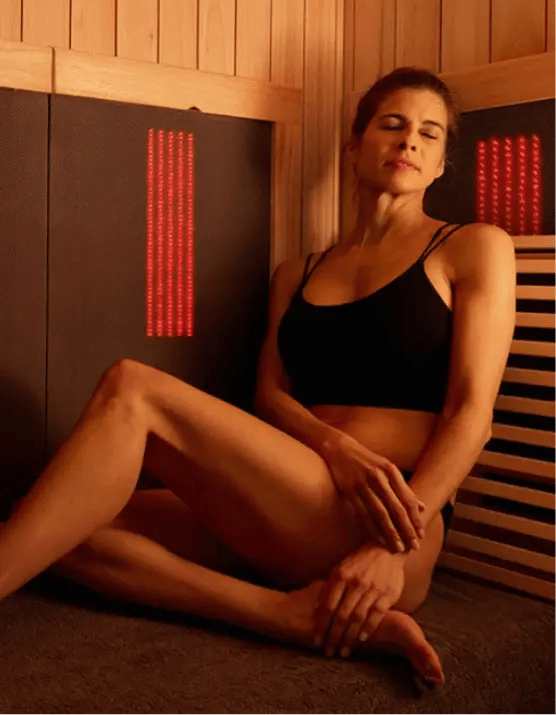
The definitive contrast pairing. Infrared sauna followed by ice bath immersion — or vice versa — creates a powerful vascular cycling protocol that combines deep thermal vasodilation with sustained cold vasoconstriction. The foundation of elite recovery and longevity programmes.
Compression Therapy
Post-immersion compression enhances lymphatic clearance and accelerates the circulatory flush that cold water initiates. Dynamic compression following ice bath immersion is a staple of professional athletic recovery protocols.
Cryotherapy
While mechanistically distinct, cryotherapy and ice baths serve complementary roles in a structured cold exposure programme. Cryotherapy provides brief, intense dry cold for systemic anti-inflammatory effect; ice baths provide sustained water immersion for autonomic training and metabolic activation.
Our Patients’ Ice Bath Experience
“The ice bath is the hardest three minutes of my week and the most valuable. The mental shift that happens when you learn to be still in the cold transfers to everything — difficult conversations, high-pressure decisions, physical discomfort. I am calmer, sharper, and more resilient than I was six months ago. The physical benefits are real, but the mental transformation is what keeps me coming back.”
Our Patients’ Ice Bath Experience
“I was terrified before my first session. The practitioner talked me through the breathing, guided me in, and kept me present. By session three, the fear had been replaced by a quiet confidence. I now look forward to it. The energy and clarity afterwards are unlike anything else in my week.”
Our Patients’ Ice Bath Experience
“I combine the ice bath with infrared sauna as a contrast protocol. The vascular cycling effect is extraordinary — my recovery between training sessions has halved, and the post-session mental clarity makes it the most productive morning routine I have ever established.”
Common Questions
Everything You Need to Know About Ice Bath Therapy
Answers to the questions most commonly asked before a first ice bath session at Aspire Clinic.
-
How is an ice bath different from cryotherapy?
Both use cold as a therapeutic stimulus, but the mechanisms and experience differ meaningfully. Cryotherapy uses dry cold air at –85°C for 2–3 minutes — intense but brief, with no water contact. Ice baths use cold water at 0–10°C for 2–6 minutes — a more sustained thermal challenge with full body immersion. The key differences: water is approximately 25 times more thermally conductive than air, so the cold challenge is qualitatively different; ice baths trigger the mammalian dive reflex (a vagal response that dry cold does not activate); and the sustained nature of water immersion produces greater brown adipose tissue recruitment and metabolic activation. Cryotherapy is primarily a recovery and anti-inflammatory tool. Ice baths additionally build autonomic resilience and mental discipline. Both have clinical evidence and serve complementary roles.
-
How cold is it and can I handle it?
Water is maintained at 0–10°C. The initial immersion is intense — your body will produce an involuntary gasp response and an urge to exit. This subsides within 30–60 seconds as your breathing stabilises and your thermoregulatory system adjusts. Your practitioner guides you through this phase with breathing cues. Most patients describe a shift to composed stillness after the first minute. Temperature and duration are adjusted to your experience level — first-timers begin at shorter durations and progress as tolerance builds. You can exit at any time.
-
How often should I do ice baths?
For resilience building and general health, 2–3 sessions per week is optimal. For athletic recovery, sessions are scheduled around training events. For metabolic benefits (brown fat activation), consistent practice of 3+ sessions per week produces cumulative adaptations. Tolerance and comfort improve rapidly with regular practice — most patients find the experience significantly easier after 4–6 sessions. Your practitioner designs a frequency protocol based on your objectives.
-
Why is breathwork part of the session?
Structured breathing before and during cold immersion serves two critical functions. First, it activates the parasympathetic nervous system, lowering baseline heart rate and preparing the body’s thermoregulatory response. Second, it provides a focus point during immersion that helps manage the acute stress response. Slow, controlled exhalation is the most effective tool for overriding the gasp reflex and establishing composed calm in the cold. The breathing protocol we teach transfers to any high-stress situation.
-
Are there contraindications?
Absolute contraindications include Raynaud’s disease, uncontrolled hypertension, recent cardiac events, cold urticaria, pregnancy, and open wounds. Relative contraindications — such as mild cardiovascular conditions or respiratory conditions — are assessed at consultation. All first sessions at Aspire include clinical screening and blood pressure check. If in doubt, we recommend discussion with your GP before commencing a cold exposure programme.
-
What if I am completely new to cold exposure?
Most of our patients start as complete beginners. Your first session includes guided breathwork, a calm and unhurried introduction to immersion, and continuous practitioner support throughout. Duration begins at the shorter end (1–2 minutes) and progresses as your confidence and tolerance build. There is no expectation of stoic endurance — the objective is controlled, composed exposure that builds over time. Most patients are pleasantly surprised by how manageable the experience is with proper guidance.
Your Path to Genuine Resilience Starts Here.
Book a consultation at Aspire Clinic, 29–35 Mortimer Street, Fitzrovia W1. Discover whether ice bath therapy is right for your performance, recovery, and resilience objectives.