Chemical Peels
Reveal What Lies Beneath
Medical‑grade exfoliation that brightens, smooths, and restores your skin’s natural clarity.
- Home
- Aesthetics
- Chemical Peels
What Is This Treatment?
What Are Chemical Peels?
Chemical peels are controlled exfoliation treatments that use specific acid formulations to remove damaged outer layers of skin, revealing smoother, clearer, more youthful skin beneath. By carefully removing accumulated dead cells and stimulating cellular turnover, peels address a wide range of concerns: hyperpigmentation, acne, fine lines, uneven texture, sun damage, and overall dullness.
At Aspire, we offer medical-grade chemical peels that are significantly more effective than over-the-counter products or spa-level facials. Our practitioners select specific peel types, strengths, and application techniques based on your unique skin type, concerns, and tolerance. This is not a one-size-fits-all treatment — every peel is customised to your individual needs and goals.
Our comprehensive peel menu includes glycolic, salicylic, lactic, mandelic, TCA, and combination formulations. Each acid targets specific concerns with distinct properties. Most patients begin with lighter peels and progress to stronger formulations as their skin builds tolerance — a carefully managed progression that delivers cumulative, transformative results over a treatment series.
“Strategic exfoliation reveals your skin’s fresh, radiant potential — layer by layer, session by session.”
Ideal Candidates
Are Chemical Peels Right for You?
Chemical peels are appropriate for a broad spectrum of skin concerns, from mild dullness to established pigmentation and scarring. The following indicators suggest you may benefit from a personalised peel protocol.
All suitability is confirmed at an initial consultation with our skin specialist, who will assess your skin type, sensitivity, and specific concerns to recommend the most appropriate acid formulation and strength.
- Struggling with persistent hyperpigmentation or sun damage Dark spots, melasma, and photodamage respond to targeted acid formulations that accelerate cell turnover at a level topical lightening products cannot match.
- Experiencing active acne, congestion, or recurring breakouts Oil-soluble acids penetrate pores to dissolve sebum and debris from within, reducing bacteria and preventing future congestion in a way surface cleansing cannot achieve.
- Noticing dull, rough, or uneven skin texture Professional-strength exfoliation strips away accumulated dead cells to reveal smoother, more luminous skin beneath — restoring the radiance that diminishes with age and environmental exposure.
- Wanting to address fine lines and early signs of ageing Glycolic and TCA formulations stimulate collagen production while smoothing surface lines. Results are natural and progressive — genuine skin quality improvement over a structured course.
- Dealing with post-acne marks or shallow textural scarring Accelerated exfoliation fades post-inflammatory marks, while medium-depth peels improve the surface of shallow atrophic scars. Deeper scarring benefits from combination with micro-needling.
- Seeking to elevate your baseline skin quality year-round Even without a specific clinical concern, maintenance peels sustain a consistently clear, luminous complexion. Controlled exfoliation is one of the most cost-effective forms of professional skin rejuvenation.
Your Journey
Your Chemical Peel Journey
Comprehensive Skin Consultation
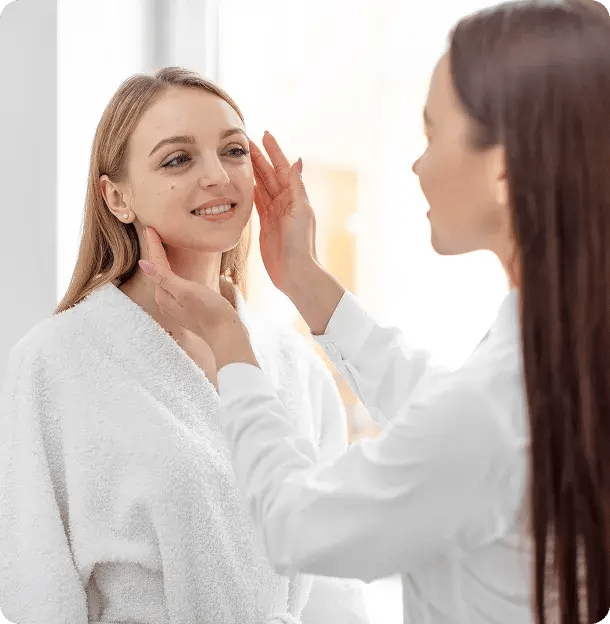
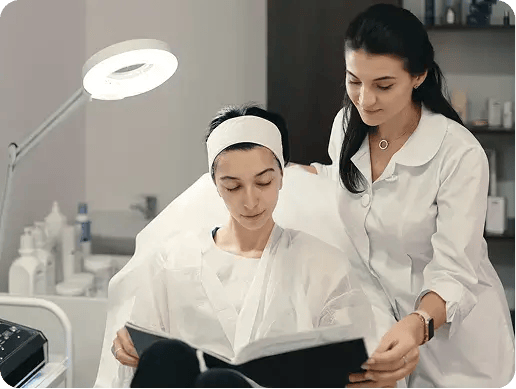
Thorough skin analysis under specialised lighting — examining pigmentation, texture, acne, scarring, and overall condition. We assess your skin type using the Fitzpatrick classification, which directly affects peel selection, particularly for darker skin tones. We review your medical history, discuss your primary concerns, and photograph your starting point for tracking progress.
Customised Peel Selection
Based on assessment, we recommend a specific peel type, strength, and treatment frequency. Concern-based selection determines the acid — pigmentation requires different formulations from acne. Skin type and lifestyle factors influence peel depth and downtime tolerance. We explain the expected peeling process, realistic timelines, and provide transparent pricing for single treatments or a series.
Pre-Peel Preparation
Depending on peel type and your skin, we may prescribe a preparation protocol: discontinuing retinoids and exfoliating products, priming with specific actives such as hydroquinone for pigmentation concerns, committing to daily SPF 50+, and avoiding waxing, laser, or other aggressive treatments. This preparation optimises peel penetration and reduces complication risk.
Treatment Day Preparation
We thoroughly cleanse and degrease your skin to ensure even peel penetration. Sensitive areas — around the eyes, nostrils, and lip corners — are protected with barrier cream. We review your comfort level and confirm you are ready to proceed.
Peel Application
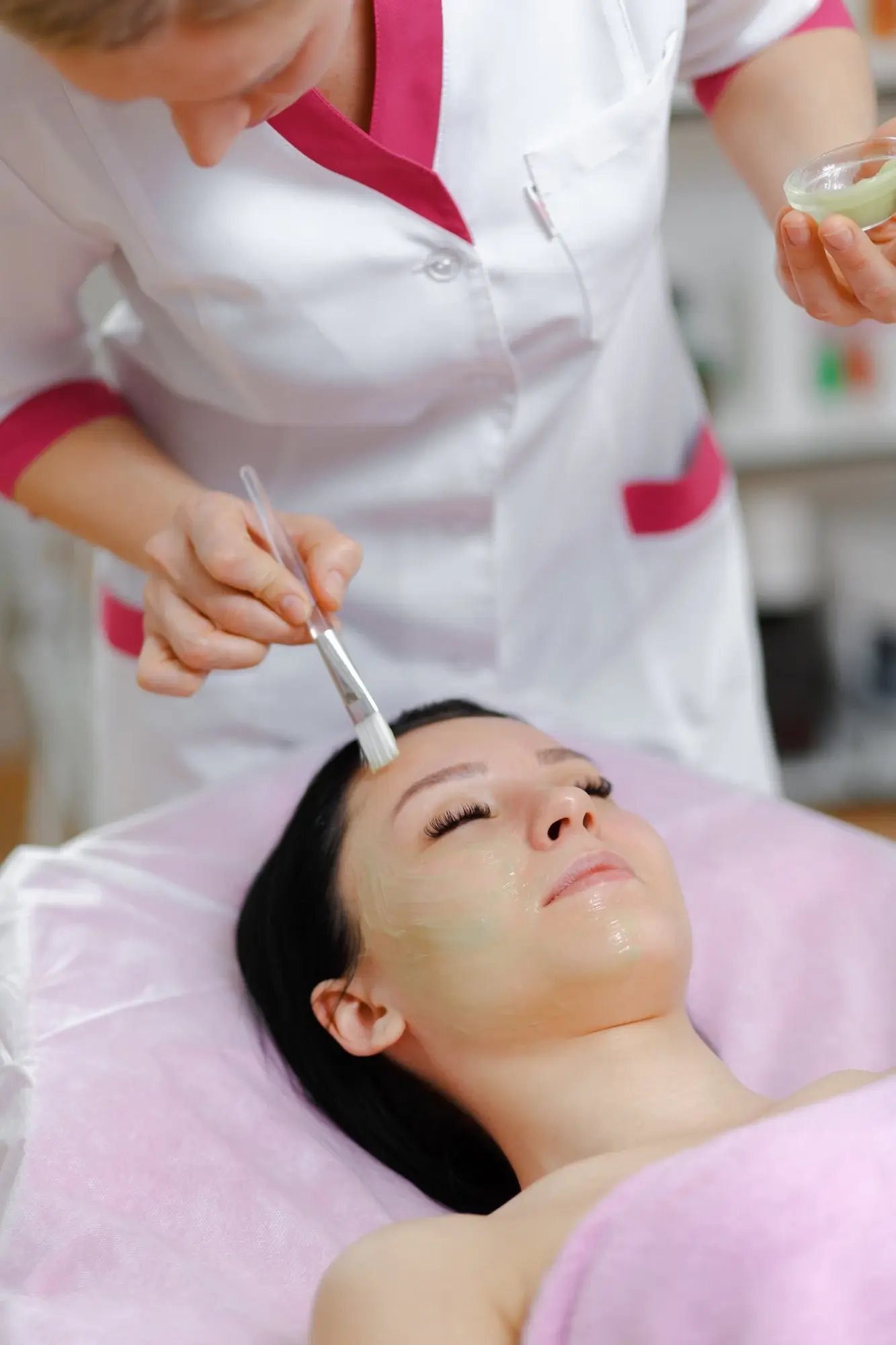
Using gauze, brush, or cotton pads, we apply the peel solution systematically across the treatment area. Most patients feel tingling, warming, or mild burning — intensity varies by peel strength and individual sensitivity. We monitor your skin’s response closely, timing the application precisely. Throughout, we communicate about sensation level and adjust technique as needed.
Post-Peel Treatment
After neutralisation or removal, we apply soothing, hydrating serums and moisturisers. A cooling fan alleviates any residual warmth. We provide detailed aftercare instructions and post-peel skincare products where appropriate. Some peels are designed to be left on and continue working at home — we explain this clearly.
The Peeling Process
Superficial peels produce minimal to no visible peeling — slight pinkness and light flaking. Light peels cause fine, powdery shedding over days 3–5. Medium peels produce visible sheet-like peeling over days 3–7. Peeling is expected and desirable — it means damaged skin is being replaced. Do not pick or force peeling at any stage; allow natural shedding.
Results and Subsequent Treatments
Initial improvement is visible once peeling completes — smoother, brighter, more even skin. Maximum results develop over the following weeks as cell turnover continues and collagen remodelling occurs. We schedule the next peel 2–4 weeks later. Progressive improvement with each subsequent treatment — cumulative benefits build across a series of 3–6 sessions.
Treatment Time
15–45 minutes
3–7 days
Peeling Phase
3–6 sessions
Optimal Results
Every 2–6 months
Maintenance
Skin Concerns Treated
What Can Chemical Peels Treat?
Hyperpigmentation and Sun Damage
Dark spots, melasma, age spots, photodamage
Targeted acid formulations fade dark spots, even out patchy skin tone, and reverse cumulative sun damage through accelerated cell turnover. Often more effective than topical products alone. Mandelic and combination peels are preferred for darker skin tones. Ideal if: Uneven skin tone or persistent dark marks are your primary concern, and topical lightening products have reached their limit.
Active Acne and Congestion
Breakouts, blackheads, oily skin
Oil-soluble salicylic acid penetrates pores to dissolve sebum and debris, reducing acne-causing bacteria and preventing future breakouts. Clears congestion and refines oily, problem skin. Ideal if: You experience persistent breakouts, blackheads, or congested pores, and want a treatment that works from within the pore rather than on the surface.
Post-Acne Scarring
Marks, textural scarring, discolouration
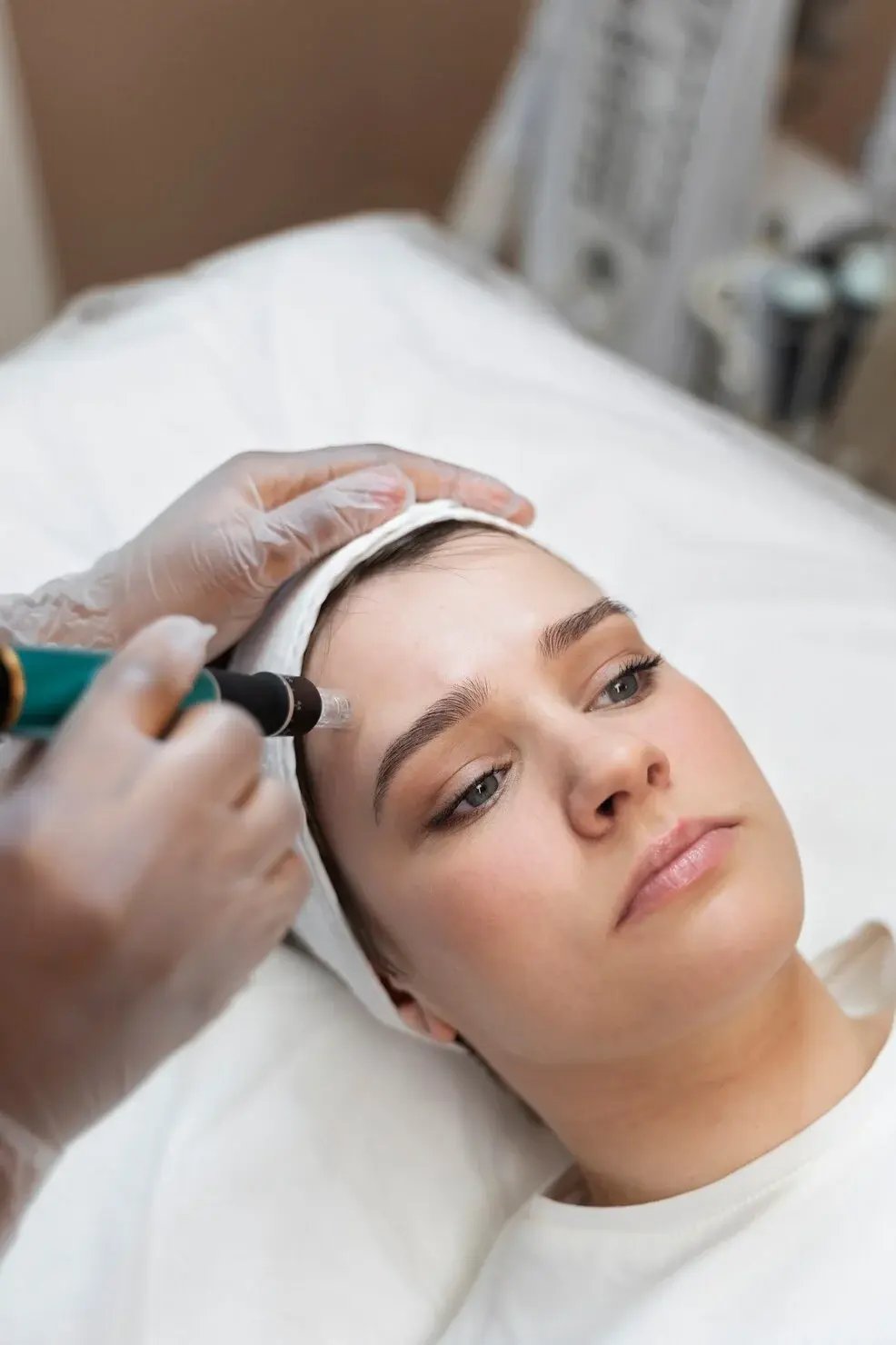
Accelerated exfoliation fades post-inflammatory marks, while medium-depth peels improve the texture of shallow atrophic scars. Multiple sessions produce progressive improvement. Deep scarring may benefit from combination with micro-needling. Ideal if: Dark marks or textural irregularity from past breakouts affect your confidence, and you want measurable improvement over a structured course.
Fine Lines and Ageing
Surface lines, dullness, loss of radiance
Glycolic and TCA peels stimulate collagen production while smoothing surface lines and restoring luminosity. Results are natural and progressive — not as dramatic as injectables but providing genuine skin quality improvement. Ideal if: You notice your skin looks dull and tired, with early fine lines, and you want to invest in gradual, cumulative rejuvenation.
Uneven Texture and Enlarged Pores
Roughness, bumpy skin, visible pores
Exfoliating acids smooth rough, bumpy, or irregular texture and refine enlarged pores through collagen remodelling. Creates a more polished, even skin surface with improved light reflection. Ideal if: Your skin feels rough or looks uneven despite consistent skincare, and your makeup does not sit well on your skin’s surface.
Overall Skin Radiance
Glow, luminosity, skin health
Even without a specific clinical concern, professional peels strip away accumulated dull, dead cells to reveal brighter, healthier skin beneath. A maintenance peel every few months sustains that coveted lit-from-within quality. Ideal if: You want to elevate your baseline skin quality and maintain a consistently clear, luminous complexion year-round.
Clinical Excellence
Our Chemical Peel Menu
-
Glycolic Acid Peel
20–70%
Overall brightening, fine lines, mild texture, anti-ageing
Smallest AHA molecule — penetrates effectively; excellent all-rounder
None to minimal (slight pinkness, light flaking)
All skin types; first-time peel patients; maintenance -
Lactic Acid Peel
30–90%
Sensitive skin, dry skin, brightening, mild hyperpigmentation
Gentler AHA than glycolic; hydrating properties; less irritation risk
None to minimal
Sensitive skin, rosacea-prone (mild), dry or dehydrated skin -
Mandelic Acid Peel
25–50%
Acne, oily skin, hyperpigmentation in darker skin tones
Largest AHA molecule — slower penetration equals gentler action; antibacterial properties
None to minimal
Darker skin tones (Fitzpatrick IV–VI), acne-prone, sensitive to stronger acids -
Salicylic Acid Peel (BHA)
20–30%
Active acne, oily and congested skin, blackheads, enlarged pores
Oil-soluble — penetrates pores to dissolve sebum and debris from within
None to minimal (initial purging possible)
Acne-prone, oily skin; blackhead and congestion concerns -
Jessner’s Peel
Salicylic acid, lactic acid, resorcinol
Acne, acne scars, melasma, sun damage, combination concerns
Synergistic blend providing deeper exfoliation than single acids
5–7 days visible peeling
Moderate skin concerns; can tolerate social downtime -
TCA Peel (Trichloroacetic Acid)
10–25% (light) / 25–35% (medium)
Deeper pigmentation, moderate wrinkles, significant sun damage, texture
Protein coagulation — deeper penetration; significant collagen stimulation
7–10 days visible peeling
Significant concerns requiring stronger intervention; able to tolerate a week of social downtime -
PRX-T33 (No-Peel Peel)
TCA, hydrogen peroxide, kojic acid
Skin tightening and rejuvenation without visible peeling
Bio-revitalisation — stimulates collagen without surface damage
None (no visible peeling despite TCA content)
Those wanting medium-peel-level results without any downtime -
Combination Peels (Custom-Blended)
Melasma/Pigmentation Blend (kojic acid, arbutin, vitamin C, glycolic or mandelic) | Anti-Ageing Blend (glycolic acid, retinol, peptides, antioxidants) | Sensitive Skin Blend (lactic acid, enzymes, soothing botanicals) | Acne Control Blend (salicylic acid, sulphur, zinc, antibacterial agents)
Multi-concern treatment requiring a bespoke approach
Patients whose concerns span multiple categories and benefit from a tailored formulation
Transformative Skin Renewal
“I had melasma that nothing topical could address. After a series of four peels customised for pigmentation, my dark patches are dramatically lighter. My skin tone is more even than it has been in years. I finally feel confident without heavy makeup.”
Transformative Skin Renewal
“The salicylic peel series cleared my active breakouts and significantly faded the dark marks they left behind. My skin is smoother and clearer than it has been since my teens. I wish I had started years ago.”
Transformative Skin Renewal
“The glycolic series gave me the most radiant skin I have had in decades. Fine lines are softer, texture is smooth, and I have a glow that makes me look rested and healthy. People ask if I have been on holiday.”
Transformative Skin Renewal
“I was hesitant about the peeling process, but the results were more than worth it. My sun damage and rough texture are dramatically improved. My skin looks polished and refined. I am now on a maintenance schedule and could not be happier.”
Common Questions
Chemical Peel Questions
-
Do chemical peels hurt?
Sensation varies by peel type and strength. Superficial peels produce mild tingling and slight warmth — easily tolerable. Medium peels cause moderate burning or stinging for 5–15 minutes, which is uncomfortable but manageable. Cooling fans and cold compresses help significantly. The discomfort is temporary and subsides shortly after the peel is neutralised. Most patients describe it as brief and entirely worth the results.
-
How long is the downtime?
Downtime depends on peel depth. Superficial peels have no meaningful downtime — slight pinkness and light flaking only. Light peels produce 3–5 days of mild peeling, and you can work throughout. Medium peels involve 5–7 days of visible peeling, during which you may prefer to avoid social events. Schedule your treatment according to your lifestyle and upcoming commitments.
-
How many peels will I need?
This depends on your concerns and the peel type. For maintenance and general glow, 1–2 peels every few months. For mild concerns such as early pigmentation or dullness, a course of 3–4 peels spaced 2–4 weeks apart. For moderate to significant concerns, 4–6 or more peels, sometimes progressing to stronger formulations. Results are cumulative — each peel builds on the improvement from the last.
-
Are chemical peels safe for darker skin tones?
Yes, with appropriate precautions. Darker skin tones (Fitzpatrick IV–VI) carry a higher risk of post-inflammatory hyperpigmentation, so we use gentler acids such as mandelic and lactic at lower concentrations. A patch test is performed before full treatment, and pre-treatment with pigment-suppressing agents is often recommended. Experienced practitioners who understand melanin-rich skin are essential — peel selection and technique make the difference.
-
Can I wear makeup during the peeling phase?
Yes, after the first 24 hours post-treatment. Mineral makeup works best — it covers well without irritating healing skin. However, makeup can be challenging over actively peeling areas, as flakes may be visible through foundation. Many patients prefer minimal makeup during the peak peeling days and find that the fresh, renewed skin revealed afterwards more than compensates for a few days of visible peeling.
-
Should I avoid peels in summer?
Historically, chemical peels have been recommended primarily for autumn and winter when sun exposure is reduced. However, with disciplined sun protection — SPF 50+ daily, reapplied regularly, with avoidance of prolonged direct sun — year-round treatment is possible. We discuss seasonal considerations during your consultation and may adjust peel type or strength during high-UV months.
-
Can peels remove acne scars?
Chemical peels improve acne scars progressively but will not eliminate deep scarring entirely. Superficial scars and post-inflammatory marks see significant improvement with a peel series. Moderate textural scars show noticeable improvement, particularly with medium-depth peels. Deep ice-pick or boxcar scars are better addressed with micro-needling, subcision, or laser — often in combination with peels as part of a comprehensive scar treatment plan.
Begin Your Journey
Begin Your Skin Transformation
Discover which chemical peel will reveal your skin’s radiant potential. Your journey begins with expert skin assessment and personalised peel selection.
Complementary Treatments
Explore Our Aesthetic Range
Collagen Induction · Micro-Needling
Combines excellently with peels for comprehensive skin renewal. Often alternated monthly — peels one session, micro-needling the next — for synergistic results.
Bio-Remodelling · Profhilo
Peels address the surface; Profhilo remodels tissue quality beneath. A powerful combination when spaced appropriately for multi-level rejuvenation.
Regeneration · Polynucleotides
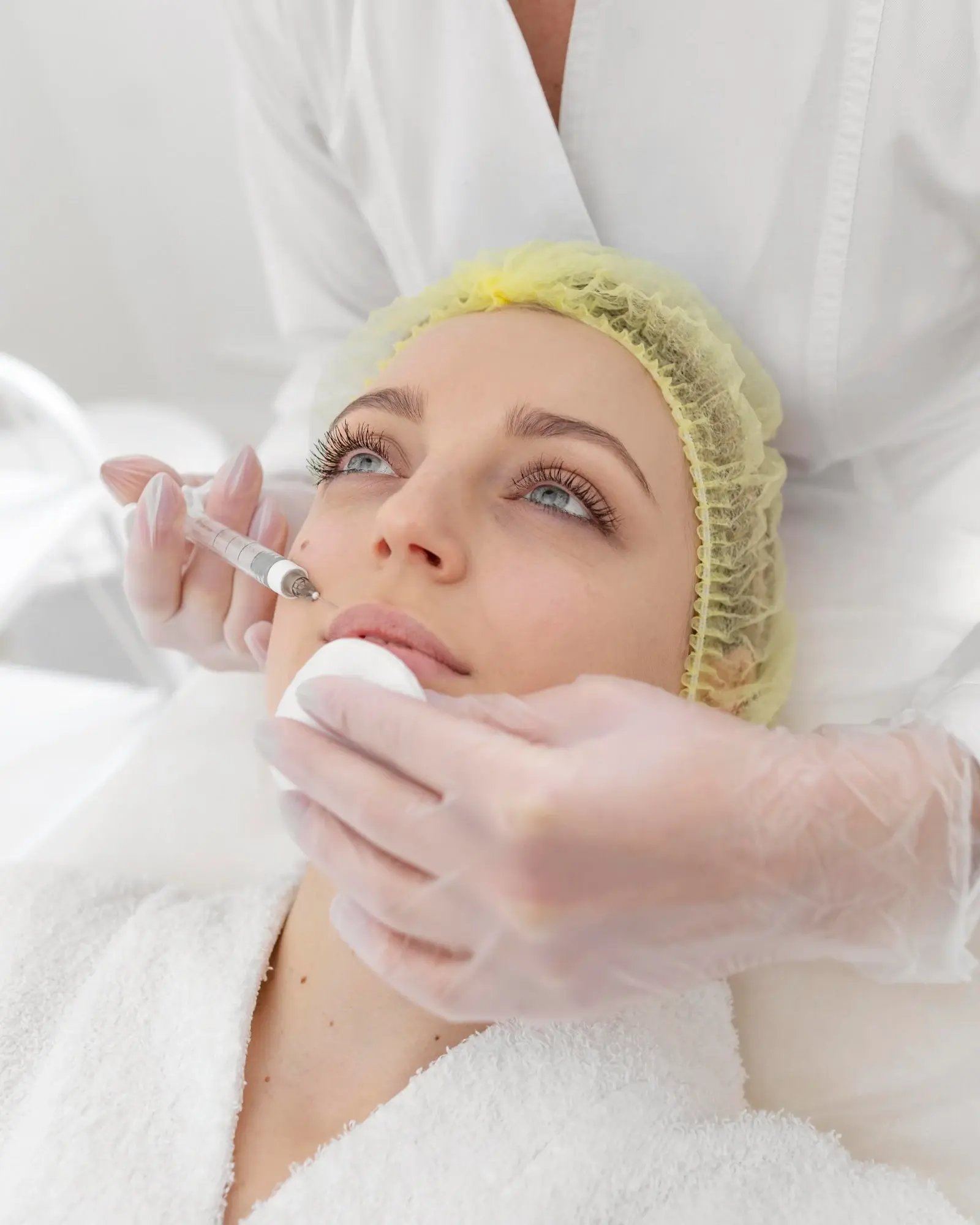
Regenerative treatment accelerating healing and enhancing skin health. Complements peel results through improved cellular repair and tissue quality.