
Whole Body Cryotherapy
Reduce Inflammation, Accelerate Recovery
A controlled –85°C cold exposure that reduces inflammation, accelerates recovery,
and activates your body’s adaptive healing response.
What Is Whole Body Cryotherapy?
The Science of Controlled Cold Exposure
Whole body cryotherapy (WBC) exposes the body to extreme dry cold — typically –85°C — for a controlled period of two to three minutes. At this temperature, the body’s thermoregulatory system triggers a profound physiological response: peripheral vasoconstriction followed by systemic vasodilation, a surge in noradrenaline, and the activation of cold shock proteins that modulate inflammation at the molecular level.
The result is not merely a sensation of cold. It is a calibrated biological intervention: systemic inflammation is measurably reduced, endorphin and noradrenaline levels are elevated for hours, muscular recovery is accelerated, and the autonomic nervous system is rebalanced. Clinical evidence supports applications ranging from athletic recovery and chronic pain management to sleep improvement and mood regulation.
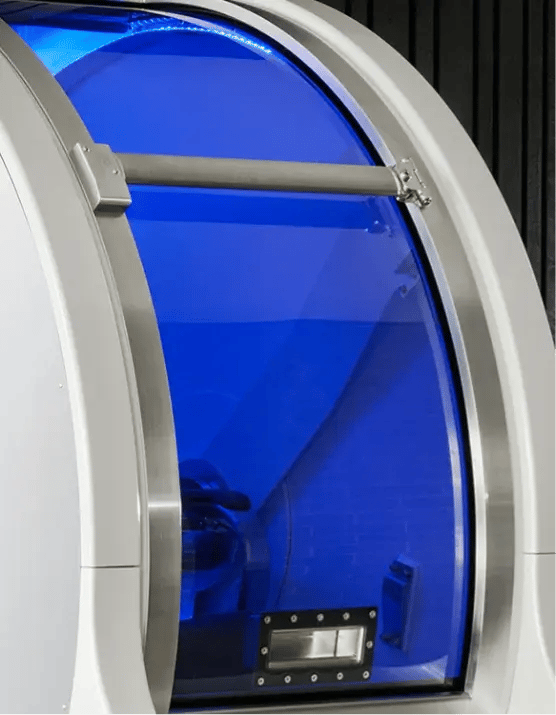
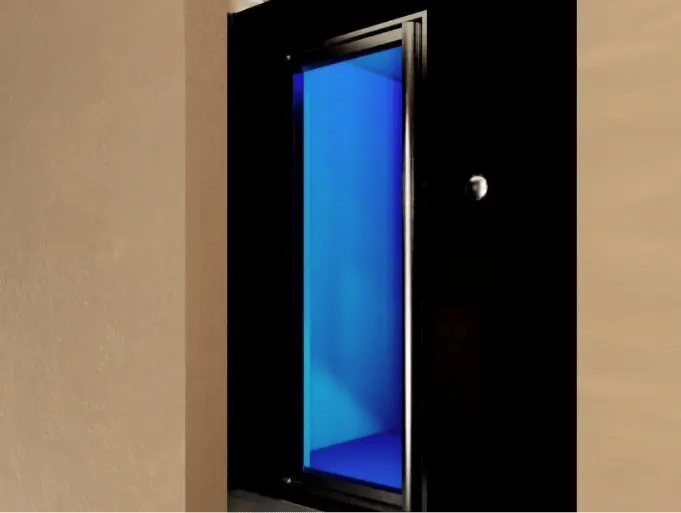
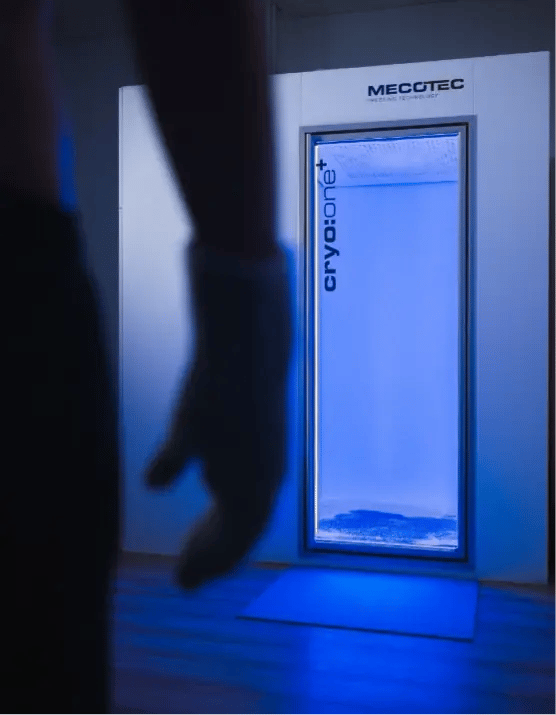
At Aspire Clinic, sessions are delivered in a private, medical-grade cryotherapy chamber under practitioner supervision. Temperature, duration, and frequency are calibrated to your objectives — whether post-training recovery, chronic inflammation management, or long-term resilience building. This is not a spa cold plunge. It is a clinical protocol with measurable outcomes.
“The body’s response to controlled extreme cold is one of the most powerful adaptive mechanisms we possess. Cryotherapy simply gives it the precise signal to activate.”
Outcomes & Who Benefits
Results That Compound With Each Session
Recovery & Performance
Accelerated Athletic Recovery
Vascular cycling flushes metabolic waste and delivers concentrated repair substrates to damaged muscle tissue. Delayed-onset muscle soreness (DOMS) is measurably reduced, and recovery between training sessions is significantly shortened. Used by elite athletes and professional sports teams worldwide.
Inflammation
Systemic Inflammation Reduction
WBC reduces circulating pro-inflammatory cytokines and increases anti-inflammatory markers. This rebalancing of the inflammatory profile has clinical relevance for chronic pain, autoimmune conditions, fibromyalgia, and post-injury inflammatory burden. Effects are cumulative across a structured course.
Energy & Alertness
Immediate Energy & Mental Clarity
The noradrenaline surge triggered by cold exposure produces an immediate and sustained elevation in alertness, focus, and energy. Unlike caffeine, this is a neurochemical response with no crash or dependency. Many patients schedule sessions before demanding workdays or creative output.
Sleep Quality
Improved Sleep Architecture
Post-cryotherapy thermoregulatory adjustment and elevated endorphin levels create conditions conducive to deeper, more restorative sleep. Regular sessions are associated with improved sleep onset, reduced nighttime waking, and enhanced slow-wave sleep duration.
Mood & Resilience
Mood Elevation & Stress Adaptation
Endorphin release and noradrenaline elevation produce a measurable improvement in mood and psychological well-being. Repeated cold exposure also builds autonomic nervous system resilience — the capacity to manage stress more effectively. This hormetic adaptation is one of cryotherapy’s most valued long-term benefits.
Treatment Synergy
Enhanced Recovery Across Pillars
Uniquely at Aspire, cryotherapy is available as an adjunct to dental surgery recovery, post-aesthetic procedure inflammation management, and athletic rehabilitation. The anti-inflammatory mechanism is universally beneficial across treatment types and recovery contexts.
200–300%
Increase in noradrenaline levels following a single WBC session
–85°C
Therapeutic chamber temperature — dry cold, no moisture contact
3 min
Maximum exposure duration per session — brief, intense, controlled
Front of the card.
Lorem ipsum dolor sit amet, consectetur adipiscing elit. Mauris eu imperdiet leo. Etiam posuere feugiat dui in mattis. Nam sodales ac ante at rutrum. Nulla hendrerit varius lectus. Morbi auctor elit nunc, at ultrices massa placerat et. Maecenas finibus aliquam dolor, in fermentum lorem tempor nec. Nullam eu nibh ut mi gravida egestas. Duis ullamcorper justo sit amet lacus convallis pellentesque.
Front of the card.
Lorem ipsum dolor sit amet, consectetur adipiscing elit. Mauris eu imperdiet leo. Etiam posuere feugiat dui in mattis. Nam sodales ac ante at rutrum. Nulla hendrerit varius lectus. Morbi auctor elit nunc, at ultrices massa placerat et. Maecenas finibus aliquam dolor, in fermentum lorem tempor nec. Nullam eu nibh ut mi gravida egestas. Duis ullamcorper justo sit amet lacus convallis pellentesque.
Front of the card.
Lorem ipsum dolor sit amet, consectetur adipiscing elit. Mauris eu imperdiet leo. Etiam posuere feugiat dui in mattis. Nam sodales ac ante at rutrum. Nulla hendrerit varius lectus. Morbi auctor elit nunc, at ultrices massa placerat et. Maecenas finibus aliquam dolor, in fermentum lorem tempor nec. Nullam eu nibh ut mi gravida egestas. Duis ullamcorper justo sit amet lacus convallis pellentesque.
The Process
Your Cryotherapy Session
Pre-Session Consultation
Your first session begins with a clinical screening. We review your health history, confirm the absence of contraindications (including Raynaud’s disease, uncontrolled hypertension, cold urticaria, and recent cardiac events), and establish your treatment objectives. Blood pressure is checked. Your protocol — temperature, duration, and frequency — is agreed before you enter the chamber.
Preparation & Chamber Entry
You change into minimal, dry clothing: shorts, sports bra (if applicable), socks, gloves, and slippers are provided to protect extremities. All jewellery and metal are removed. Skin must be completely dry — no moisture, lotions, or sweat. You enter the chamber and the door is closed. Your head and upper body remain above the chamber line at all times.
Cold Exposure at Dose
The chamber reaches therapeutic temperature (–85°C). The exposure is intense but brief — two to three minutes. You will experience significant cold sensation but no pain when the protocol is followed correctly. Your practitioner monitors you throughout, maintaining verbal contact. Most patients describe the final 30 seconds as the most challenging; the sensation subsides immediately upon exiting.
Post-Session Rewarming & Review
You exit the chamber and begin natural rewarming. Most patients experience an immediate endorphin and noradrenaline surge — a characteristic sense of alertness, elevated mood, and energy. Light movement is encouraged to accelerate peripheral rewarming. Your practitioner conducts a brief post-session review, notes your response, and confirms next-session scheduling.
Patient Suitability
Is Cryotherapy Right for You?
Whole body cryotherapy is appropriate for a broad range of recovery, performance, and health optimisation objectives. The following indicators suggest you may benefit from a personalised cold exposure protocol.
All suitability is confirmed at an initial consultation with our wellness practitioner, who will screen for contraindications, discuss your goals, and design an appropriate treatment programme.
- Training at intensity and wanting the most effective single-session recovery tool Vascular cycling flushes metabolic waste and delivers concentrated repair substrates to damaged muscle tissue. DOMS is measurably reduced and recovery between sessions is significantly shortened.
- Managing a chronic inflammatory condition or persistent pain WBC reduces circulating pro-inflammatory cytokines and increases anti-inflammatory markers — clinically relevant for chronic pain, autoimmune symptoms, fibromyalgia, and post-injury inflammatory burden.
- Seeking a reliable, non-stimulant energy and focus boost The noradrenaline surge triggered by cold exposure produces immediate and sustained elevation in alertness, focus, and energy — without the crash or dependency associated with caffeine.
- Experiencing disrupted sleep or insufficient deep sleep Post-cryotherapy thermoregulatory adjustment and elevated endorphin levels create conditions conducive to deeper, more restorative sleep. Benefits are cumulative with regular sessions.
- Building genuine stress resilience and emotional regulation capacity Repeated cold exposure builds autonomic nervous system resilience — the measurable physiological capacity to manage stress more effectively. This hormetic adaptation transfers to every domain.
- Recovering from a surgical, dental, or aesthetic procedure at Aspire The anti-inflammatory mechanism is universally beneficial across treatment types. Cryotherapy is available as a cross-pillar adjunct to reduce post-procedural inflammation and accelerate healing.
- Curious about cold therapy but preferring brief, dry exposure over water immersion At –85°C for 2–3 minutes with no water contact, WBC is more intense but significantly more tolerable than cold water immersion — and produces a faster noradrenaline response.
“If you are unsure whether cryotherapy is suitable for your specific health objectives, an initial consultation with our practitioner will provide clarity.”
The Science
How Cryotherapy Works at the Physiological Level
Three core biological mechanisms that drive outcomes across recovery, inflammation, and resilience.
Cold Shock Proteins & Noradrenaline Surge
Exposure to –85°C triggers an immediate and significant release of noradrenaline — up to 200–300% above baseline. Concurrently, cold shock proteins (notably RBM3) are activated, which modulate inflammatory gene expression and have demonstrated neuroprotective properties in preclinical research. This dual response is the foundation of cryotherapy’s systemic anti-inflammatory and mood-enhancing effects.
Vascular Cycling & Circulatory Reset
Extreme cold induces rapid peripheral vasoconstriction — blood is redirected to the core, enriched with oxygen and nutrients. Upon rewarming, systemic vasodilation returns enriched blood to the periphery. This vascular cycling flushes metabolic waste, reduces oedema, and delivers a concentrated supply of repair substrates to damaged or inflamed tissue.
Inflammation Cascade Modulation
WBC reduces circulating levels of pro-inflammatory cytokines (IL-6, TNF-α, CRP) while increasing anti-inflammatory markers (IL-10). This rebalancing of the inflammatory profile is the mechanism underlying cryotherapy’s efficacy for chronic pain, post-exercise soreness, autoimmune symptom management, and systemic inflammatory burden reduction.
Protocol Synergy
Pair Cryotherapy With
The most effective wellness protocols are multi-modal. These treatments work synergistically with whole body cryotherapy.
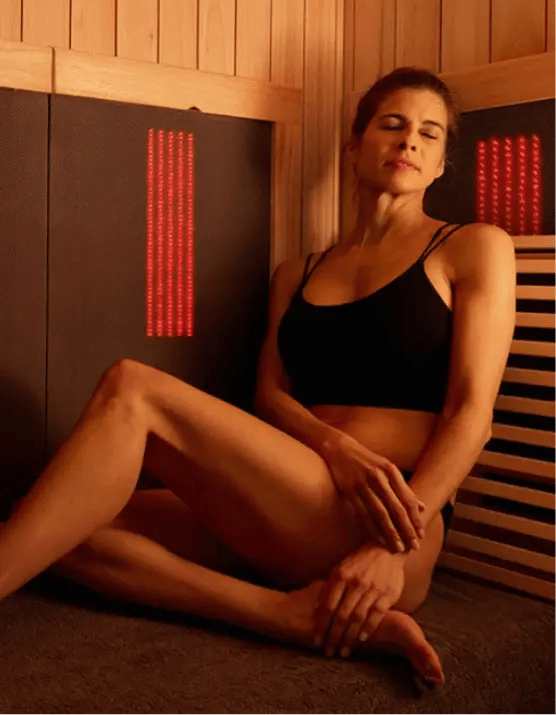
Infrared Sauna
The thermal counterpoint to cold exposure. Alternating cryotherapy with infrared sauna creates a powerful vascular cycling protocol — combining peripheral vasoconstriction with deep vasodilation for enhanced circulatory and detoxification benefits.
Compression Therapy
Dynamic compression enhances the lymphatic clearance and metabolic waste removal that cryotherapy initiates. Post-cryo compression is a staple of elite athletic recovery protocols for maximum circulatory benefit.
Red Light Therapy
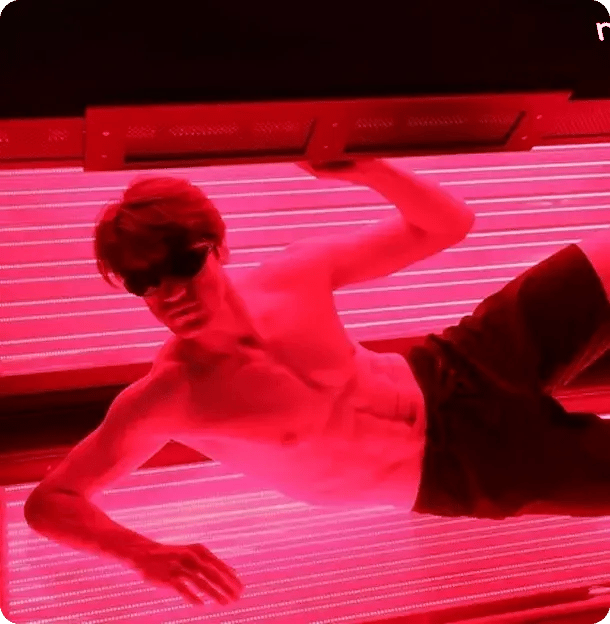
Photobiomodulation delivers a complementary cellular energy signal alongside cryotherapy’s anti-inflammatory cascade. Red light stimulates mitochondrial ATP production while cryo reduces the inflammatory load — a dual-mechanism recovery protocol.
Our Patients’ Cryotherapy Experience
“The first session was confronting — three minutes felt like ten. By the fifth, I was genuinely looking forward to it. The energy afterwards is extraordinary. I sleep better, recover faster from training, and my chronic shoulder inflammation has measurably reduced. I schedule two sessions a week now and consider it essential.”
Our Patients’ Cryotherapy Experience
“I have rheumatoid arthritis and was sceptical about cold therapy. After eight sessions, my morning stiffness reduced by roughly half and my inflammatory markers improved at my next blood test. My rheumatologist was interested enough to ask for details.”
Our Patients’ Cryotherapy Experience
“I use cryotherapy before important meetings and presentations. The mental clarity and calm focus I get from a session is better than anything else I have tried. Three minutes of cold in exchange for hours of elevated performance. The arithmetic is straightforward.”
Common Questions
Everything You Need to Know About Cryotherapy
Answers to the questions most commonly asked before a first cryotherapy session at Aspire Clinic.
-
Is cryotherapy safe?
Whole body cryotherapy has a well-established safety profile when delivered by trained practitioners in appropriate clinical settings. The exposure is brief (2–3 minutes), dry (no water contact), and monitored throughout. Absolute contraindications include uncontrolled hypertension, Raynaud’s disease, cold urticaria, recent cardiac events, and pregnancy. All Aspire sessions include pre-session screening and practitioner supervision.
-
How cold is it and can I tolerate it?
The chamber reaches approximately –85°C. This is intense but tolerable for the 2–3 minute duration. The cold is dry — no water or ice contact — which is significantly more bearable than cold water immersion at much higher temperatures. Most patients find the first session challenging but manageable, and tolerance improves rapidly with subsequent sessions. Your practitioner monitors you throughout and you can exit at any time.
-
How many sessions do I need?
This depends on your objective. For acute athletic recovery, individual sessions around training events provide immediate benefit. For chronic inflammation or pain management, a course of 10–20 sessions (3–5 per week) is typically recommended. For ongoing performance and resilience, 2–3 sessions per week sustained over time delivers cumulative benefits. Your practitioner designs a protocol at initial consultation based on your specific goals.
-
What should I wear in the chamber?
Minimal, dry clothing: shorts, sports bra (if applicable). We provide socks, gloves, and slippers to protect extremities. All jewellery and metal must be removed. Skin must be completely dry — no moisture, lotions, or sweat. Your head and upper body remain above the chamber line throughout the session.
-
How is this different from an ice bath?
Cryotherapy and ice baths both use cold as a therapeutic stimulus, but the mechanisms differ. WBC uses dry cold air at –85°C for 2–3 minutes — the cold is more intense but the exposure is shorter and there is no water contact. Ice baths use water at 0–10°C for 10–20 minutes. Cryotherapy is generally more tolerable despite the lower temperature (dry cold is less thermally conductive than water), produces a more immediate noradrenaline response, and carries lower risk of cold injury. Both have clinical evidence; they serve complementary roles in a recovery programme.
-
Can I combine cryotherapy with other Aspire treatments?
Yes — and multi-modal protocols are where the most significant results are achieved. Cryotherapy pairs excellently with infrared sauna (vascular cycling), compression therapy (lymphatic clearance), and red light therapy (dual-mechanism recovery). It is also available as a post-procedural recovery adjunct for dental and aesthetic treatments at Aspire. Your practitioner can design a combined protocol during consultation.
Your Path to Cellular Resilience Starts Here.
Book a consultation at Aspire Clinic, 29–35 Mortimer Street, Fitzrovia W1. Discover whether whole body cryotherapy is right for your performance and recovery objectives.