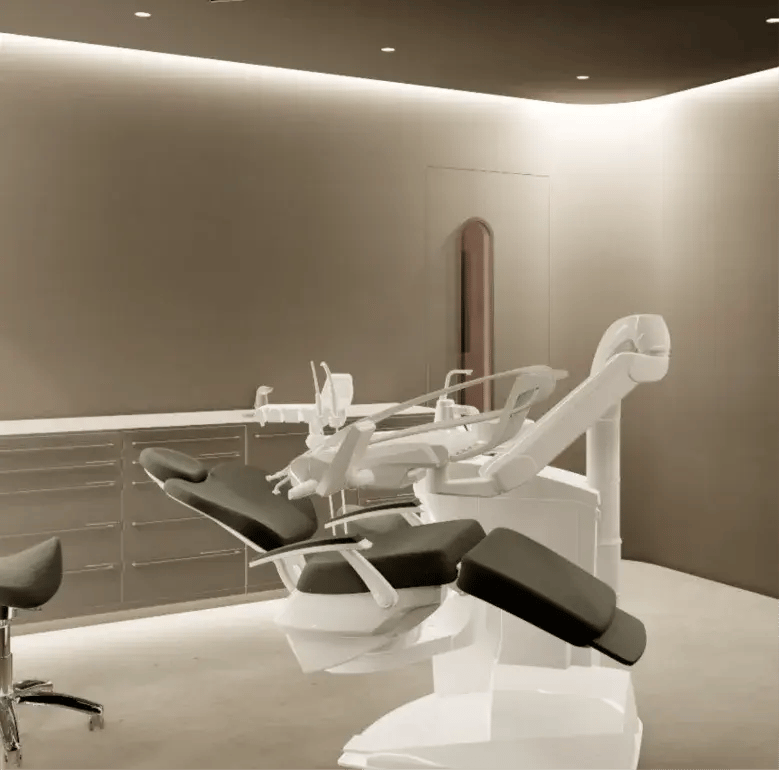

Gum Clinic
Precise Care for Lasting Gum Health
Expert periodontal assessment, treatment, and maintenance — preserving
the foundation on which every healthy smile depends.
About the Service
The Foundation of Every Healthy Smile
Gum health is the structural foundation of the entire mouth. Without it, even the most carefully restored teeth lack the support to function or last. Yet gum disease — affecting the majority of adults in the UK in some form across their lifetime — frequently advances without pain, making it easy to overlook until significant damage is done.
At Aspire’s Gum Clinic, we offer comprehensive periodontal care: from early-stage gingivitis to complex chronic periodontitis. Our approach is precise and minimally invasive wherever the clinical situation permits — preserving natural tissue, restoring gum architecture, and preventing recurrence through a tailored long-term maintenance programme.
The evidence connecting gum health to systemic wellbeing is substantial and growing. Chronic periodontal disease is associated with cardiovascular disease, type 2 diabetes, and adverse pregnancy outcomes. Addressing gum health at Aspire is, in this sense, an investment in your overall health — one that connects naturally to our wider Wellness offering and the integrated philosophy at the heart of the clinic.
"The health of your gums is the health of your smile. We begin at the foundation. "
Is This Right for You?
Signs That Your Gums Need Attention
Bleeding when brushing or flossing The most common early indicator of gingivitis — and one that should never be dismissed as normal
Gum recession Teeth appear longer as gum tissue gradually retreats from the tooth surface
Persistent bad breath Chronic halitosis frequently originates in the bacterial environment of active periodontal disease
Red, swollen, or tender gums Visible inflammation indicating active bacterial activity at and below the gum line
Loose or shifting teeth A sign of advanced periodontitis affecting the integrity of the supporting bone
Sensitivity to temperature Exposed root surfaces resulting from recession can cause pronounced sensitivity
Gaps appearing between teeth Changes in tooth position as supporting structures are compromised
A systemic health diagnosis Diabetes, cardiovascular conditions, or pregnancy — all are conditions associated with periodontal health that warrant proactive gum assessment
Gum disease rarely causes pain in its early stages. If you have noticed any of the above — or if it has been more than six months since your last gum assessment — a periodontal consultation is recommended.
What to Expect
Your Periodontal Appointment
Phase 1
Before Your Appointment
Your periodontal consultation begins before you arrive. We review your dental and medical history in advance, including any systemic health factors relevant to gum health. If you have been referred by your dentist or hold existing X-rays, please bring these to your first appointment — they provide a valuable baseline and help us avoid unnecessary repetition.

Phase 2
On the Day
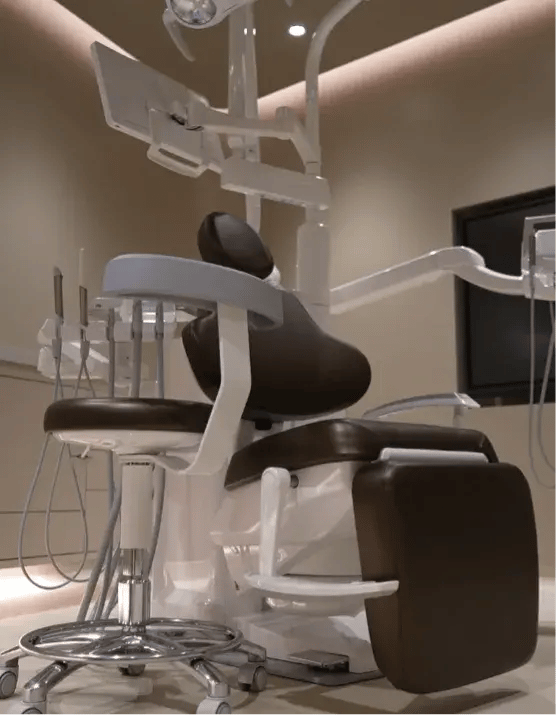
A thorough periodontal assessment includes detailed pocket-depth charting at multiple points around each tooth, recession measurement, X-ray analysis, and a full review of contributing factors — including oral hygiene habits, smoking history, and relevant systemic conditions. We discuss our findings with you in full and present a clear treatment plan before anything proceeds.
Phase 3
After Your Appointment
Following active treatment, a structured maintenance programme is established. This is not a generic recall schedule — it is calibrated to your periodontal risk profile and adjusted as your gum health improves over time. Many patients find that consistent maintenance prevents the need for further active treatment indefinitely. Your clinician remains your long-term partner in this.

Step by Step
Your Periodontal Care Journey
Comprehensive Assessment
A detailed periodontal examination charts pocket depths at six points around each tooth, assesses bone levels from X-rays, and documents recession, bleeding on probing, and tooth mobility. This baseline defines the diagnosis, stages the disease, and guides the treatment plan with precision.
Personalised Treatment Plan
Findings are presented in full: the diagnosis, severity, and the treatment pathway recommended. Options are discussed, questions answered, and the plan confirmed at your pace. For complex presentations, we coordinate with the wider Aspire clinical team — including our oral surgery and implant colleagues where relevant.
Active Treatment
Professional debridement — scaling and root planing — removes calculus and bacterial deposits from above and below the gum line. Depending on disease severity, this is completed over one or more sessions, with local anaesthesia as required. Laser-assisted periodontal treatment is available for suitable cases, offering enhanced precision and reduced tissue disturbance.
Reassessment — 6 to 8 Weeks
A reassessment appointment six to eight weeks following active treatment evaluates the gum tissue’s response. Pocket depths are re-charted and compared against the baseline. For the majority of patients, this appointment demonstrates significant clinical improvement — and confirms the transition to maintenance care.
Tailored Maintenance Programme
A maintenance schedule is established based on your reassessment results and individual risk profile. Appointments are typically three to four times per year and serve to sustain the gains achieved in active treatment — detecting and addressing any early changes before they are given the opportunity to progress.
Comfort & Amenities
- Private treatment rooms throughout
- Local anaesthesia and sedation options available
- Laser-assisted treatment for appropriate cases
- Integration with Wellness therapies on request
Patient Stories
Care That Goes to the Root of the Problem
I had been told for years that I had ‘gum issues’, but no one had ever really explained what that meant or what could be done. The Aspire Gum Clinic was the first time I received a proper diagnosis and a clear plan. A year on, my readings are all in the healthy range and I feel genuinely confident about my dental health for the first time.
Patient Stories
Care That Goes to the Root of the Problem
I was referred following a diabetes diagnosis — my consultant mentioned the connection with gum health. The team at Aspire understood this immediately and took a genuinely holistic approach to my care. The improvement in my gums within three months was quite remarkable.
Patient Stories
Care That Goes to the Root of the Problem
My gums had receded quite significantly and I was becoming self-conscious about my smile. Aspire treated the underlying disease first and we discussed the cosmetic options once things were stable. The whole process felt considered and completely unhurried.
Common Questions
Common Questions About Periodontal Care
-
What is gum disease?
Gum disease is a bacterial infection of the tissues supporting the teeth. It begins as gingivitis — inflammation of the gums — and, if untreated, can progress to periodontitis, which affects the bone and ligaments anchoring the teeth. It is the leading cause of tooth loss in adults in the UK and is closely associated with a number of systemic health conditions.
-
What is the difference between gingivitis and periodontitis?
Gingivitis is the early stage of gum disease, characterised by gum inflammation without bone involvement. It is fully reversible with professional treatment and improved oral hygiene. Periodontitis is more advanced, involving the destruction of the bone and supporting structures around the teeth. Whilst the damage from periodontitis cannot be fully reversed, it can be halted and managed effectively with appropriate treatment.
-
Is gum disease reversible?
Gingivitis is entirely reversible. Periodontitis, by contrast, causes permanent structural changes to the bone and tissue supporting the teeth — but its progression can be stopped and the condition stabilised with consistent treatment and maintenance. The earlier the intervention, the more natural tissue can be preserved.
-
Does periodontal treatment hurt?
Most patients find periodontal treatment more comfortable than anticipated. Scaling and root planing is typically performed under local anaesthesia, ensuring the procedure itself is painless. Some tenderness in the days following treatment is normal and resolves quickly. Laser-assisted treatment, where used, further reduces post-treatment discomfort for most patients.
-
How long does periodontal treatment take?
The duration depends on the severity of the disease. Mild cases may be addressed in one or two sessions; moderate to severe periodontitis typically requires a course of treatment over several weeks, followed by a reassessment appointment at six to eight weeks. Maintenance care is then ongoing, usually three to four times per year.
-
Can gum disease return after treatment?
Yes — gum disease is a chronic condition for many patients, which is why the maintenance programme is central to long-term success. With consistent professional care and good home hygiene, recurrence can be minimised significantly. Your maintenance schedule will be tailored to your individual risk profile, not a generic recall interval.
-
What is the link between gum disease and general health?
The evidence is substantial. Chronic periodontal disease is associated with an increased risk of cardiovascular disease, poorly controlled type 2 diabetes (with gum disease and diabetes influencing each other bidirectionally), adverse pregnancy outcomes, and respiratory conditions. Treating gum disease has been shown to improve glycaemic control in diabetic patients and reduce systemic inflammatory markers.
-
How often should I attend for periodontal maintenance?
This depends on your disease history and individual risk profile. Following active treatment, most patients attend three to four times per year. As gum health stabilises over time, this may be reviewed. We do not recommend reverting to a standard six-monthly recall if periodontal disease has been diagnosed — the evidence strongly supports more frequent maintenance to prevent recurrence.
Complete Your Care
Related Treatments
General Dentistry
Preventive hygiene appointments work in tandem with periodontal care, maintaining the clean environment in which your gums can thrive. The best outcomes are achieved when both are consistent.

Oral Surgery
Advanced periodontal cases occasionally require surgical intervention. Our oral surgery team works closely with our periodontal clinicians to provide the full scope of care within a single practice.

Dental Implants
Healthy, stable gum tissue is a clinical prerequisite for dental implants. Our periodontal and implant teams collaborate closely to ensure the foundations are right before any restoration begins.

Get in Touch
Begin With the Foundation
A healthy smile is built on healthy gums. Whether you have noticed early signs of concern or simply want a thorough baseline assessment, our periodontal team is ready to help. We begin with clarity — a precise diagnosis and a plan you understand completely before treatment commences.